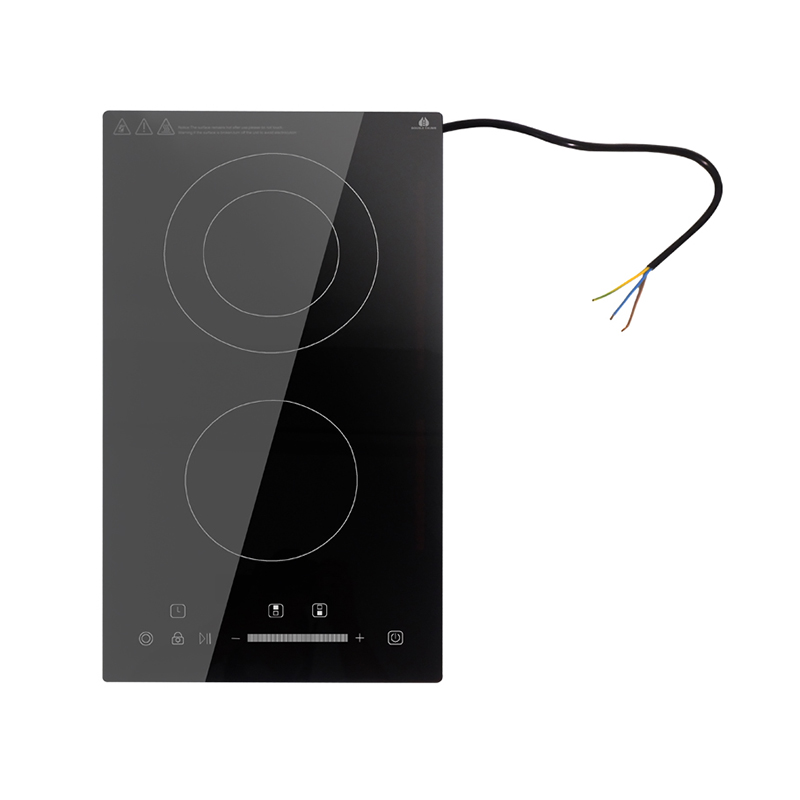
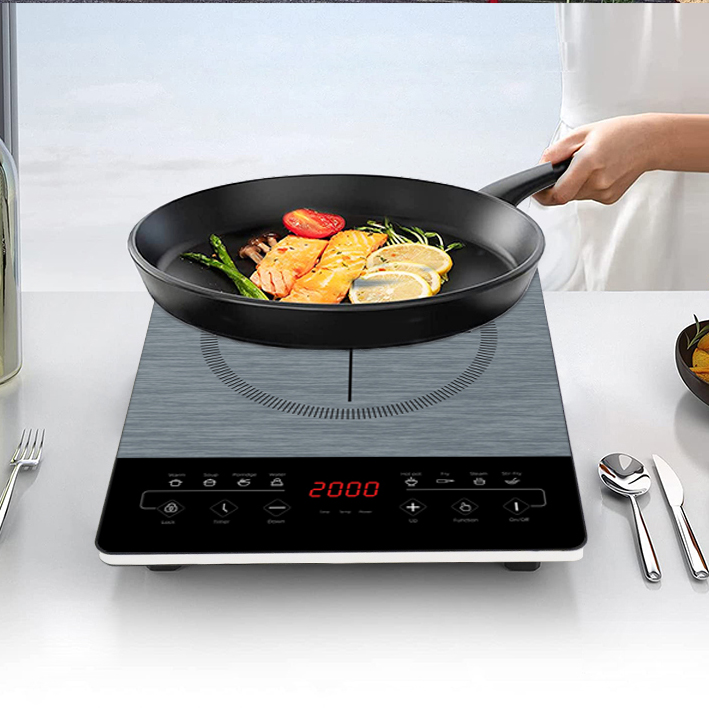
**Induction Stoves: A Step Forward in Energy Efficiency and Sustainable Living**In today's world, where energy conservation is becoming increasingly critical, household appliances play a vital role in reducing overall electricity consumption. Among these appliances, induction stoves have emerged as a revolutionary technology that not only enhances cooking convenience but also significantly saves electricity. This advancement aligns perfectly with the growing global emphasis on sustainable living and energy efficiency.**The Rise of Induction Stoves in Modern Kitchens**An induction stove operates using electromagnetic fields to directly heat pots and pans, unlike traditional gas or electric stoves that heat indirectly through flames or heating elements. This method ensures faster heating times, precise temperature control, and minimal energy wastage. The result is a cooking experience that is both efficient and eco-friendly.Unlike conventional electric stoves, which lose a substantial amount of heat to the surrounding environment, induction stoves focus energy transfer precisely on the cookware. This targeted heating means that up to 90% of the energy is utilized for cooking, compared to just about 40-55% efficiency with gas stoves and 70% with traditional electric stoves. Consequently, households can see a noticeable reduction in electricity bills while contributing to lower carbon emissions.**Sustainability and Economic Benefits**The advantages of induction stoves extend beyond energy savings. For environmentally conscious consumers, adopting induction cooking is a practical way to reduce one’s carbon footprint. Since electricity often comes from diverse sources — including renewable energy — switching to induction can support cleaner energy usage compared to natural gas consumption.Moreover, induction stoves are safer to operate. The surface remains relatively cool during cooking, minimizing the risk of burns and household fires. The instant on/off control feature also prevents energy wastage, as heat stops immediately when the stove is turned off.Throughout the product lifecycle, induction stoves demand less maintenance due to their smooth, flat surfaces and fewer moving parts, further adding to their cost-effectiveness. As the technology evolves, manufacturers continue to improve design, making these stoves more affordable and accessible to a broader consumer base.**A Company Committed to Innovation and Sustainability**The introduction and popularization of induction stoves are propelled by companies deeply committed to innovation and environmental stewardship. These companies combine advanced research and development with customer-centric approaches to develop products that meet modern energy standards.Their corporate philosophy emphasizes sustainability, quality, and user convenience. By investing in cutting-edge technology, they aim to create appliances that not only satisfy consumer demands for performance and style but also align with global environmental goals.Many such companies also provide comprehensive support services, including warranties and customer education about optimal stove usage to maximize energy savings. They actively promote awareness about the importance of energy-efficient cooking methods as part of broader societal efforts to combat climate change.**Consumer Adoption and Market Trends**With rising electricity costs and increasing awareness of climate issues, consumer demand for energy-efficient home appliances, including induction stoves, is rapidly growing worldwide. Market research indicates a positive trend toward replacing older cooking technologies with induction models, particularly in urban areas where electricity supply is stable and reliable.Retailers and manufacturers are responding by offering a variety of induction products tailored to different cooking styles and budgets. From compact models ideal for small apartments to high-end stoves with smart features for gourmet chefs, the market is diversified and evolving.Governments and environmental organizations also recognize the benefits of induction cooking. Incentive programs, rebates, and educational campaigns encourage the switch from fossil-fuel-based stoves to electric induction alternatives, reinforcing the adoption trend.**Conclusion**Induction stoves represent a significant advancement in household cooking technology, notable for their impressive energy efficiency, safety features, and environmental benefits. As more consumers and companies embrace sustainable practices, induction cooking can play a pivotal role in reducing electricity consumption and greenhouse gas emissions from residential sectors.The continuous innovation by dedicated manufacturers ensures that induction stoves become increasingly affordable and user-friendly, making sustainable cooking accessible to all. By choosing induction stoves, households not only enjoy superior cooking performance but also contribute meaningfully toward global energy conservation efforts.As energy-saving technologies continue to improve and awareness grows, induction stoves are set to become a standard in modern kitchens worldwide — a promising development for both consumers and the planet.
Read More