Induction Hob and Twin Plate Price Update | Latest Market Rates

By:Admin on 2025-11-27 01:37:29

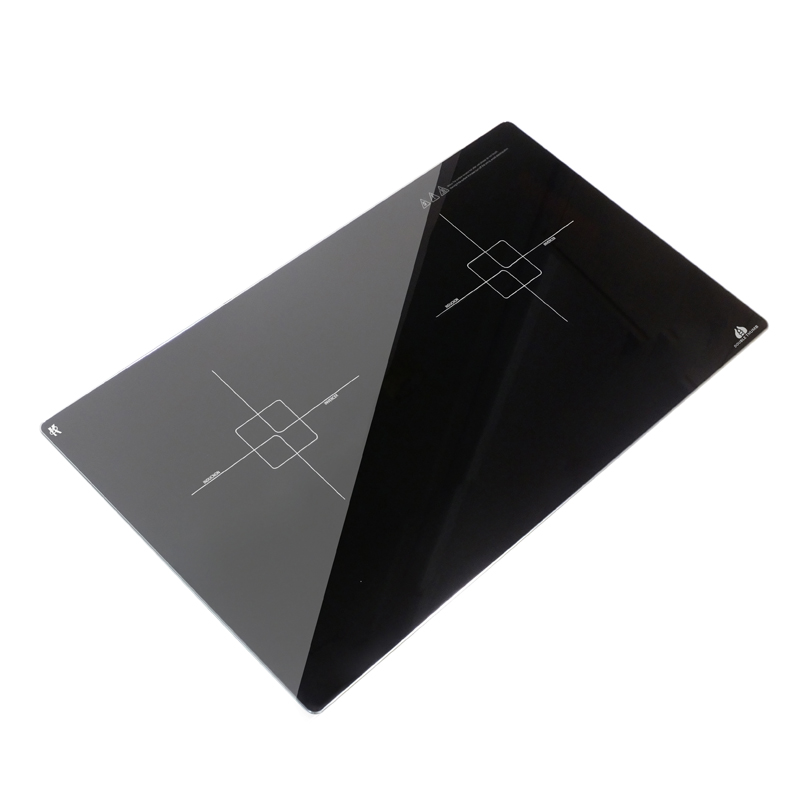
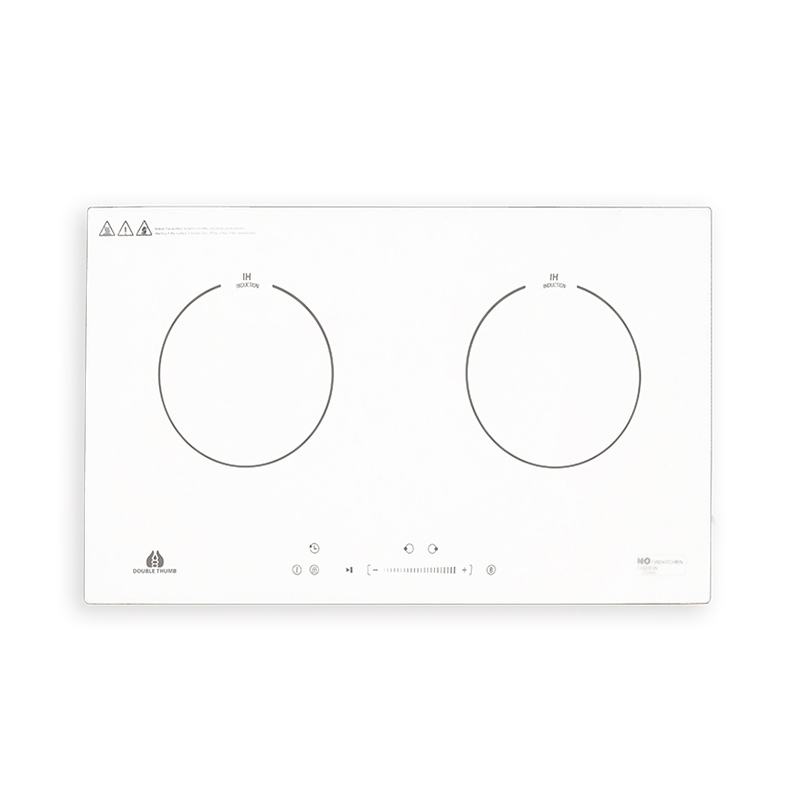
**Rising Trends in China’s Induction Hob Market: A Closer Look at Twin Plate Induction Hob Prices**In recent years, China’s kitchen appliance market has witnessed significant growth, particularly in the segment of induction hobs. Among these, the induction hob twin plate models have gained remarkable popularity due to their efficiency, safety features, and modern design. As market demand surges, the pricing landscape for these products has become a focal point for both consumers and manufacturers. This article delves into the current state of induction hob and induction hob twin plate prices in China, alongside insights from a leading company’s profile that is driving innovation and supply in this sector.### Market Overview: The Rise of Induction Hobs in ChinaThe Chinese kitchen appliance industry is experiencing rapid transformation, fueled by urbanization, increasing income levels, and a rising preference for energy-efficient cooking solutions. Induction hobs, which utilize electromagnetic fields to directly heat cookware, offer numerous advantages such as faster cooking times, precise temperature control, and enhanced safety. This has positioned them as a preferred choice over traditional gas and electric stoves.Among various models, the twin plate induction hob—featuring two cooking zones—has become highly sought after for its ability to accommodate multiple dishes simultaneously. This is particularly appealing to families and professional cooks looking for convenience and versatility.### Price Trends of Induction Hobs and Twin Plate ModelsThe pricing of induction hobs in China varies widely based on several factors including brand, features, build quality, and technological innovation. As of mid-2024, the average price range for standard induction hobs is approximately RMB 800 to RMB 2,500. Twin plate induction hobs generally command a higher price bracket, typically ranging from RMB 1,500 to RMB 4,500, reflecting their enhanced functionality and design complexity.Price fluctuations in this category are influenced by raw material costs, import tariffs on electronic components, and competitive strategies among domestic manufacturers. Additionally, consumers are increasingly looking for models equipped with intelligent controls, touch sensors, and energy-saving modes, which tend to push prices upward.### Key Drivers Influencing Price Dynamics**1. Technological Advancements:** There has been continuous integration of smart technologies in induction hobs, such as app connectivity and AI-driven cooking programs. These innovations raise the production cost but add significant value, influencing the pricing structure.**2. Consumer Preferences:** Chinese consumers today prioritize health and convenience, making features like child-lock safety, automatic shutoff, and easy cleaning highly desirable. Products with these attributes are priced at a premium.**3. Supply Chain Factors:** Recent disruptions in the global supply chain have affected the availability and cost of critical components like IC chips and glass surfaces used in hobs, leading to moderate price increases.### Company Spotlight: Innovation and Quality in Induction Hob ManufacturingOne notable player in the Chinese market is a company specializing in the production and export of high-quality induction cooking appliances. This company has built its reputation on combining cutting-edge technology, stringent quality controls, and customer-centric designs to meet diverse market needs.Established over a decade ago, the company has developed a comprehensive product portfolio that includes single and twin plate induction hobs, favored for their durability and efficient performance. Its research and development team focuses on enhancing energy efficiency and user experience, which has led to the launch of several models featuring touch-sensor panels, surge protection, and multi-stage cooking modes.Being export-oriented, the company adheres to international certification standards such as CE, CCC, and RoHS, ensuring that their products meet both domestic and overseas quality benchmarks. This not only positions them competitively within China but also expands their presence in global markets.### Future OutlookThe outlook for China’s induction hob market remains optimistic, with expected growth driven by urban migration, rising middle-class spending power, and the push towards greener living. The twin plate induction hob segment, in particular, is anticipated to see further innovation and wider adoption, making it a key focus for manufacturers.Price-wise, while consumer demand for advanced features may keep prices stable or slightly upward, increasing local production capabilities and economies of scale are likely to moderate cost pressures over time. As smart home integration deepens, induction hobs are poised to become central components of the modern kitchen.### ConclusionChina’s induction hob market, especially the twin plate category, is evolving rapidly amid changing consumer preferences and technological progress. Pricing reflects this dynamic environment, balancing affordability with feature-rich designs. With leading companies driving innovation and quality, the industry is set to meet growing demand both domestically and internationally, ensuring that induction hobs remain at the forefront of modern cooking solutions.---This detailed outlook on induction hob prices and market trends provides valuable context for consumers, retailers, and industry stakeholders seeking to understand this vibrant segment of China’s kitchen appliance market.

Read More

Long-Lasting Electric Hot Plate for Efficient Cooking

By:Admin on 2025-11-24 01:44:56

Certainly! Please provide the company introduction you'd like me to incorporate, and share the news content about the Long Electric Hot Plate (without the brand name). Once I have those details, I'll draft an 800-word news article for you.

Read More

Energy-Saving Benefits of Using an Induction Stove

By:Admin on 2025-11-20 01:37:42

**Induction Stoves: A Step Forward in Energy Efficiency and Sustainable Living**In today's world, where energy conservation is becoming increasingly critical, household appliances play a vital role in reducing overall electricity consumption. Among these appliances, induction stoves have emerged as a revolutionary technology that not only enhances cooking convenience but also significantly saves electricity. This advancement aligns perfectly with the growing global emphasis on sustainable living and energy efficiency.**The Rise of Induction Stoves in Modern Kitchens**An induction stove operates using electromagnetic fields to directly heat pots and pans, unlike traditional gas or electric stoves that heat indirectly through flames or heating elements. This method ensures faster heating times, precise temperature control, and minimal energy wastage. The result is a cooking experience that is both efficient and eco-friendly.Unlike conventional electric stoves, which lose a substantial amount of heat to the surrounding environment, induction stoves focus energy transfer precisely on the cookware. This targeted heating means that up to 90% of the energy is utilized for cooking, compared to just about 40-55% efficiency with gas stoves and 70% with traditional electric stoves. Consequently, households can see a noticeable reduction in electricity bills while contributing to lower carbon emissions.**Sustainability and Economic Benefits**The advantages of induction stoves extend beyond energy savings. For environmentally conscious consumers, adopting induction cooking is a practical way to reduce one’s carbon footprint. Since electricity often comes from diverse sources — including renewable energy — switching to induction can support cleaner energy usage compared to natural gas consumption.Moreover, induction stoves are safer to operate. The surface remains relatively cool during cooking, minimizing the risk of burns and household fires. The instant on/off control feature also prevents energy wastage, as heat stops immediately when the stove is turned off.Throughout the product lifecycle, induction stoves demand less maintenance due to their smooth, flat surfaces and fewer moving parts, further adding to their cost-effectiveness. As the technology evolves, manufacturers continue to improve design, making these stoves more affordable and accessible to a broader consumer base.**A Company Committed to Innovation and Sustainability**The introduction and popularization of induction stoves are propelled by companies deeply committed to innovation and environmental stewardship. These companies combine advanced research and development with customer-centric approaches to develop products that meet modern energy standards.Their corporate philosophy emphasizes sustainability, quality, and user convenience. By investing in cutting-edge technology, they aim to create appliances that not only satisfy consumer demands for performance and style but also align with global environmental goals.Many such companies also provide comprehensive support services, including warranties and customer education about optimal stove usage to maximize energy savings. They actively promote awareness about the importance of energy-efficient cooking methods as part of broader societal efforts to combat climate change.**Consumer Adoption and Market Trends**With rising electricity costs and increasing awareness of climate issues, consumer demand for energy-efficient home appliances, including induction stoves, is rapidly growing worldwide. Market research indicates a positive trend toward replacing older cooking technologies with induction models, particularly in urban areas where electricity supply is stable and reliable.Retailers and manufacturers are responding by offering a variety of induction products tailored to different cooking styles and budgets. From compact models ideal for small apartments to high-end stoves with smart features for gourmet chefs, the market is diversified and evolving.Governments and environmental organizations also recognize the benefits of induction cooking. Incentive programs, rebates, and educational campaigns encourage the switch from fossil-fuel-based stoves to electric induction alternatives, reinforcing the adoption trend.**Conclusion**Induction stoves represent a significant advancement in household cooking technology, notable for their impressive energy efficiency, safety features, and environmental benefits. As more consumers and companies embrace sustainable practices, induction cooking can play a pivotal role in reducing electricity consumption and greenhouse gas emissions from residential sectors.The continuous innovation by dedicated manufacturers ensures that induction stoves become increasingly affordable and user-friendly, making sustainable cooking accessible to all. By choosing induction stoves, households not only enjoy superior cooking performance but also contribute meaningfully toward global energy conservation efforts.As energy-saving technologies continue to improve and awareness grows, induction stoves are set to become a standard in modern kitchens worldwide — a promising development for both consumers and the planet.

Read More