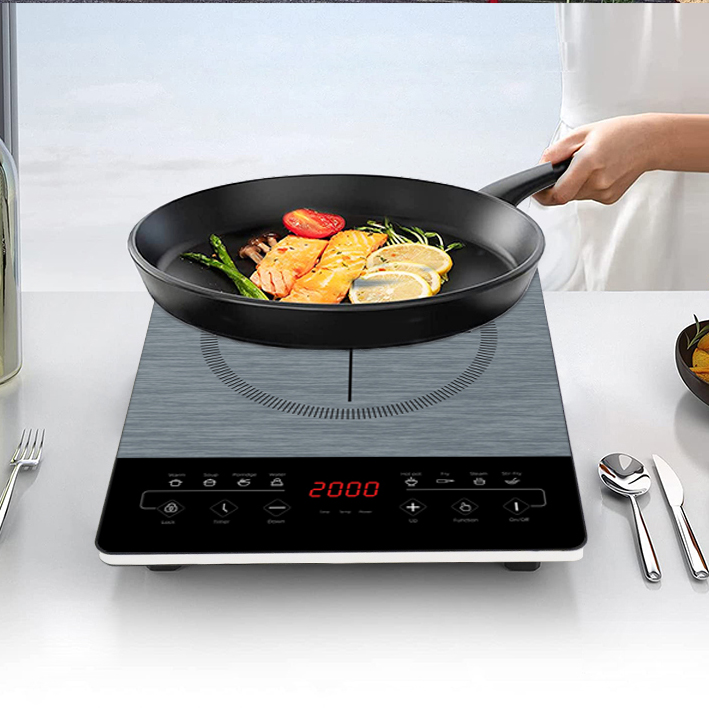
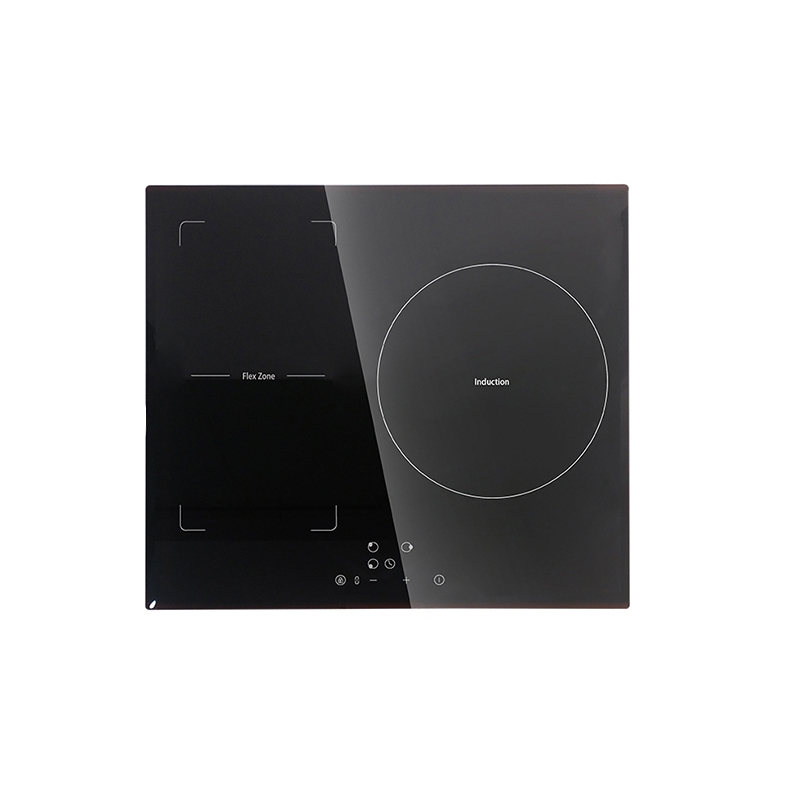
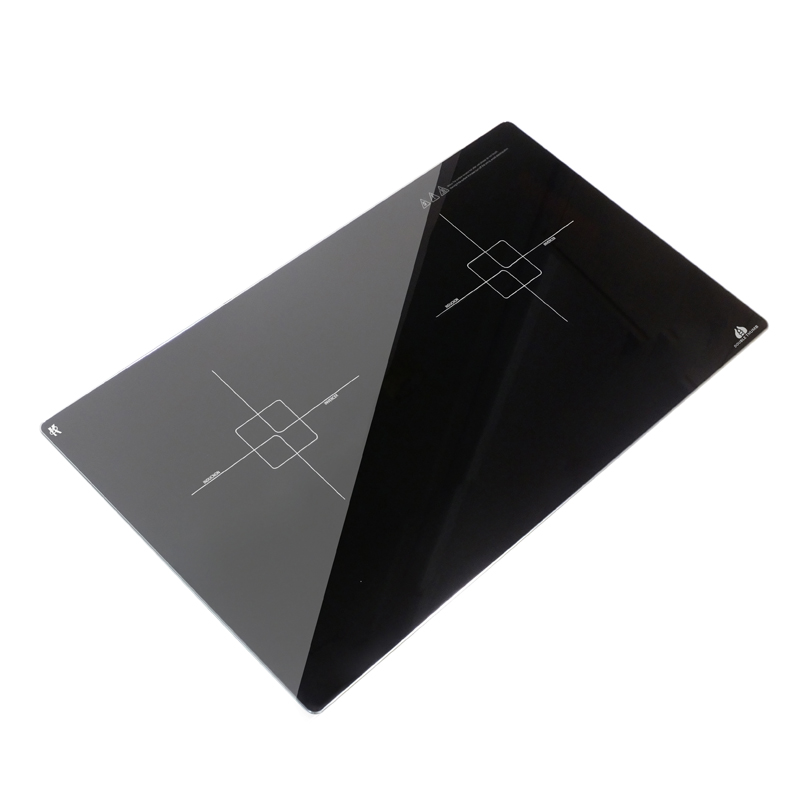
**Innovative Induction Cooktops Revolutionize Modern Kitchens**In the ever-evolving world of kitchen technology, induction cooktops have emerged as a game-changer, offering unparalleled efficiency, safety, and style. As more households and professional kitchens embrace this advanced cooking solution, the market for induction cooktops continues to expand rapidly, driven by innovation and consumer demand for energy-efficient appliances.Induction cooktops operate using electromagnetic fields to directly heat cookware, distinguishing them from traditional gas or electric stoves. This technology allows for quicker heating, precise temperature control, and significantly reduced energy consumption. Unlike conventional methods that heat the cooking surface, induction cooktops transfer energy directly to the pot or pan, making the cooking process faster and more responsive.One of the key advantages of induction cooktops is their safety features. The cooktop surface remains relatively cool to the touch, minimizing the risk of burns. Additionally, induction cooktops automatically shut off when cookware is removed, preventing accidental energy use and enhancing user safety. These features are particularly beneficial for families with children and busy kitchens where safety is paramount.Beyond performance and safety, induction cooktops also score high on design and ease of cleaning. Their sleek, flat surfaces made of durable glass or ceramic materials blend seamlessly into modern kitchen aesthetics. The flat surface allows for quick and effortless cleaning as spills do not burn onto the cooktop, unlike with gas stoves.The rising popularity of induction cooktops is also influenced by growing environmental awareness and the desire for energy-efficient kitchen appliances. Since induction technology is highly efficient, converting up to 90% of energy into heat, it reduces electricity consumption and supports sustainable living goals. As utility costs rise, consumers are turning to induction cooking as a cost-effective and eco-friendly alternative.Additionally, the adaptability of induction cooktops makes them ideal for various cooking styles and settings. From precise simmering to rapid boiling, the versatility of temperature control enables users to experiment with different recipes and cooking techniques. This flexibility appeals to both home cooks looking to elevate their culinary skills and professional chefs aiming for consistent results.The global market for induction cooktops is witnessing significant growth, supported by technological advancements and increased consumer education. Manufacturers are continuously enhancing product features such as touch controls, smart connectivity, and multi-zone cooking areas to meet diverse consumer needs. Integration with smart home systems is on the rise, offering remote control and monitoring capabilities for the tech-savvy user.Furthermore, induction cooktops cater to space-conscious designs through compact and modular models, suitable for small apartments or homes with limited kitchen space. Portable induction cooktops have also become popular for outdoor cooking and quick meal preparations, reflecting the device’s versatility.In summary, induction cooktops are transforming kitchens worldwide by combining speed, safety, efficiency, and style. As technology progresses and consumer preferences shift towards sustainable and convenient cooking solutions, induction cooktops are well-positioned to lead the next generation of kitchen appliances. Whether upgrading an existing kitchen or designing a new one, choosing an induction cooktop promises a modern cooking experience tailored to today’s dynamic lifestyles.---Note: The above article is composed with general market insights and technological perspectives on induction cooktops, adapted to a neutral tone without referencing specific brand names. If you provide the company introduction, it can be incorporated to further tailor this news content.
Read More